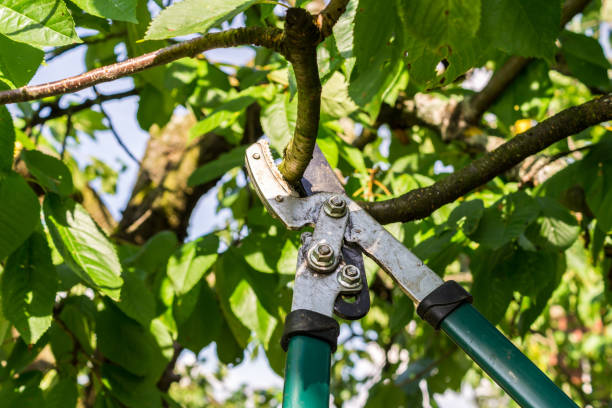
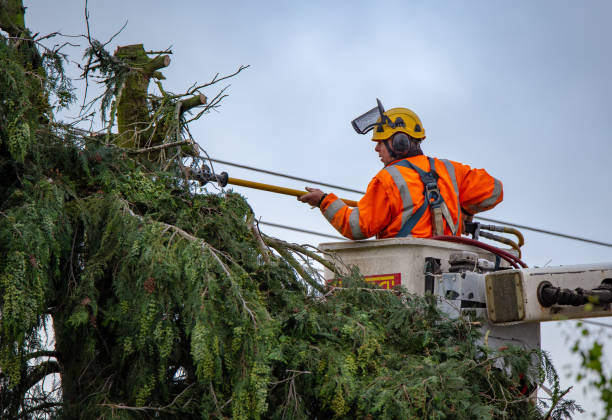
Regular tree pruning offers numerous benefits, not only for the health of the trees themselves but also for the surrounding environment and property owners. Properly maintained trees can thrive for years while minimizing risks associated with weakened or overgrown branches. Below, we outline several health benefits of regular tree pruning.
One of the primary benefits of pruning is the prevention and management of diseases. Dead or decaying branches can harbor fungi, pests, and bacteria that spread to other parts of the tree.
– The spread of disease to healthy branches is minimized.
– Fungal growth is reduced, which could otherwise threaten other nearby trees or plants.
– Trees are better able to resist environmental stressors like drought or unfavorable weather.
Pruning also allows arborists to inspect trees closely, identifying early signs of disease before they become severe.
Overgrown branches can create dense foliage that blocks sunlight from reaching lower parts of a tree or nearby plants.
– Air circulation, reducing moisture buildup that fosters mold and mildew on leaves.
– Sunlight exposure, which enhances photosynthesis and ensures even growth throughout the tree’s structure.
This leads to healthier foliage and stronger overall development.
Trees that are pruned regularly develop a more balanced structure, reducing the risk of weak limb attachments or uneven weight distribution that could cause breakage under stress (e. g. , high winds).
– A well-distributed canopy that prevents stress fractures in trunks or major limbs. – Reduced risk of property damage caused by falling branches during storms. – Proper clearance from power lines or buildings, ensuring safety and longevity.
Pruning stimulates growth by removing deadwood and focusing the tree’s energy on producing new shoots in healthier areas. This is particularly important for fruiting trees as it increases yield quality over time.
Example: Benefits for Fruit Trees
| Pruning Benefit | Impact on Fruit Trees |
| Removal of old/dead wood | Reduces nutrient waste |
| Improved sunlight exposure | Enhances fruit ripening |
| Controlled branch density | Boosts airflow for pest control |
Deadwood often attracts insects like termites or beetles that can harm trees further if left untreated. Pruning eliminates these potential nesting sites while simultaneously improving visibility for monitoring pest activity throughout the year.
A well-maintained appearance not only makes your landscape more visually appealing—it also contributes indirectly to health by encouraging continued care and attention from property owners or gardeners who notice changes early on.
Regular pruning is essential for achieving a combination of structural strength, disease prevention, pest management, and aesthetic appeal in all types of trees—from ornamental varieties to towering hardwoods within your yard or commercial space.
By investing in routine tree maintenance through expert pruning techniques, you ensure their vitality lasts long into the future while contributing positively toward local ecosystems around them.
Effective Tree Pruning Akron OH Services to Protect and Preserve Your Trees
Tree cabling is a proactive arboricultural technique that involves the installation of flexible steel cables and bracing rods to provide structural support to trees. This practice not only helps protect your trees from potential damage but also extends their lifespan by reducing the risk of splitting, breaking, or collapsing. Here’s a closer look at how tree cabling can preserve and protect your trees.
Effective Stump Removal Akron OH: Strengthening Your Landscape After Tree Cabling
Trees with weak branch unions or heavy limbs are prone to structural failure, especially during storms or high winds. Tree cabling addresses these vulnerabilities by redistributing the weight and stress on branches.
– Prevent splitting:Cables reduce strain on weak joints, preventing branches from splitting apart under pressure.
– Minimize risk during storms:Supported limbs are less likely to break in strong winds or heavy snow.
– Preserve aesthetic value:By preventing damage, cabling ensures your tree maintains its natural shape and beauty.
When Should You Call a Tree Removal Company Akron OH for Tree Cabling?
Not all trees require cabling, but certain conditions make it a highly beneficial measure:
1.Visible Weak Branch Unions:If two or more branches form a “V” shape instead of a “U,” they may be structurally weak and in need of additional reinforcement.
2.Heavy Limbs:Large, mature limbs that extend horizontally may be at risk of cracking or breaking off under their own weight. 3.Storm Damage Recovery:Trees damaged by storms but still worth preserving can benefit from cabling as part of their rehabilitation process. 4.Heritage or Valuable Trees:High-value trees that have significant historical, cultural, or ecological importance should be preserved where possible.
Advantages of Hiring a Tree Cutting Service Akron OH
Engaging professionals for tree cabling ensures optimal results while minimizing harm to your trees: https://www.treeserviceakronohpros.net/
| Benefit | Explanation |
| Proper Installation | Certified arborists determine the correct placement for cables based on the tree’s structure and health. |
| Use of High-Quality Materials | Professionals use durable materials that provide long-term support without damaging the tree’s growth pattern. |
| Regular Monitoring | Arborists routinely inspect cabled trees to ensure they remain safe and secure over time. |
Complementary Practices for Long-Term Tree Health
- Pruning:Regular pruning removes dead or overgrown limbs that could add unnecessary weight.
- Disease Management:Treating infections early reduces stress on weakened branches.
- Soil Care:Ensuring proper soil nutrients promotes overall structural strength in your trees.
By taking proactive steps like tree cabling alongside routine maintenance services, property owners can safeguard their trees for years to come while enhancing safety and aesthetics in outdoor spaces.
How Tree Cabling Can Protect and Preserve Your Trees
Tree cabling is an essential practice for homeowners and property managers who want to protect and maintain the health, safety, and longevity of their trees. This proactive approach helps support structurally weak or damaged trees, ensuring they remain stable and safe over time. Below is an in-depth look at how tree cabling works, its benefits, and why it might be the right solution for your property.
What is Tree Cabling?
Tree cabling involves the use of high-strength steel cables or synthetic materials to provide additional structural support to trees. These cables are carefully installed between major branches or sections of a tree to reduce stress caused by heavy foliage, windstorms, snow loads, or other environmental factors.
Cabling typically addresses two main issues: – Splitting Limbs: Branches prone to splitting due to their size, angle of growth, or damage.
– Weak Branch Unions: When two branches grow closely together without strong connective tissue (a condition commonly referred to as a “V-crotch”).
Key Benefits of Tree Cabling
- Tree cabling minimizes the risk of large branches breaking off during storms or under heavy snow loads.
- By stabilizing weak branches, damage to your property or threats to personal safety are significantly reduced.
- Supporting structurally compromised trees can extend their lifespan by limiting potential damage and allowing them to grow stronger over time.
- Some older trees hold significant aesthetic or historical value. Cabling helps preserve these trees by preventing structural failure while maintaining their natural beauty.
- Weak branch unions can prevent a tree from developing properly. With cabling in place, the tree can redistribute its energy more effectively toward healthy growth.
When Should You Consider Tree Cabling?
It’s crucial to know when your trees might benefit from cabling services.
– The presence of large cracks in branch unions. – Heavy limbs growing at extreme angles. – A history of broken limbs during past storms. – Leaning trees with uneven weight distribution. – Visible signs of stress on key branches (e. g. , sagging or creaking sounds).
Professional Installation Process
Tree cabling requires careful planning and expertise to ensure both effectiveness and safety:
1.Assessment– An arborist inspects the tree’s condition, identifying weak points that require reinforcement.
2.Selection– Appropriate materials like steel cables or synthetic alternatives are selected based on the tree’s structure and environment. 3.Installation– The cables are securely anchored between branches using bolts designed not to harm the tree’s internal systems. 4.Monitoring– Regular inspections ensure that cables remain effective as the tree grows over time.
| Component | Purpose | Example Material |
| Anchors | Secure cables into place | J-lag hooks/eye bolts |
| Cables | Provide structural support | Galvanized steel cable |
| Thimbles | Prevent wear on attachment points | Stainless steel thimbles |
Safety Note
It is highly recommended that only trained professionals handle tree cabling projects due to the risks involved with climbing tall trees and installing hardware properly. Improper installation can lead not only to ineffective results but also potential damage to both people and property.
Regular inspections post-installation are required since fast-growing species may outgrow hardware quickly or experience shifting weight distributions that require adjustments.
By investing in tree cabling services tailored specifically for your property’s needs, you can safeguard your landscape while ensuring your trees thrive for years ahead with stability and strength intact.
Recognizing the Importance of Preventing Disease or Decay in Trees
Maintaining the health and integrity of trees is crucial for both their longevity and the safety of the surrounding environment. Disease and decay can severely compromise trees, leading to potential hazards like falling limbs, pest infestations, or even complete tree failure. Preventing these issues not only protects the tree but also enhances the overall value and aesthetic appeal of your landscape. Here’s why recognizing and addressing disease or decay is essential, along with methods to mitigate these risks.
Indicators of Tree Disease or Decay
Early detection is key to preventing extensive damage. Regular inspections can help identify warning signs that a tree may be struggling with disease or decay.
- Discolored Leaves: Yellowing, wilting, or brown spots can be signs of fungal infections or nutrient deficiencies.
- Cracks in Bark: Deep fissures, peeling bark, or areas where bark is missing may indicate internal rot.
- Dead Branches: Branches that are brittle or fail to produce leaves during active growing seasons are often symptomatic of underlying issues.
- Fungal Growth: Mushrooms or conks growing at the base of a tree suggest decay within the trunk or root system.
- Unusual Growths: Swollen areas (cankers) on branches and trunks could indicate bacterial or fungal infections.
Common Causes of Tree Disease and Decay
Various environmental factors and external stressors contribute to disease susceptibility in trees.
- Improper Watering: Overwatering fosters root rot, while drought stresses trees, weakening their defenses.
- Pests: Insects like borers and aphids can cause direct damage while spreading pathogens.
- Mechanical Injuries: Damage from lawn equipment, storms, or construction can create entry points for diseases.
- Poor Soil Conditions: Compacted soil reduces oxygen availability to roots; nutrient-poor soils weaken a tree’s immune response.
Steps for Preventing Tree Disease
Proactive measures go a long way in keeping trees healthy.
- Remove dead or diseased branches promptly to prevent further spread.
- Ensure cuts are clean and made at proper angles to support healing.
- Test soil periodically for pH levels and nutrients.
- Aerate compacted soils as needed.
- Water deeply but infrequently to encourage strong root systems.
- Avoid over-saturating soil as it promotes fungal growth.
- Use eco-friendly pest management techniques like beneficial insects or neem oil sprays when infestations occur.
- Certified arborists can conduct health assessments for early diagnosis of problems.
- Professional treatments like injections for nutrient supplementation may also be recommended.
Table: Comparison Between Diseased vs Healthy Trees
| Aspect | Healthy Tree Characteristics | Diseased/Decaying Tree Characteristics |
| Leaves | Vibrant color; uniform shape & size | Discoloration; irregular shapes; wilting |
| Bark | Smooth texture; intact | Peeling; cracks; evidence of fungi |
| Growth Pattern | Symmetrical canopy | Uneven growth; dead patches |
| Root System | Firm connection with soil | Exposed roots; soft spots near base |
The Role of Arborists in Disease Prevention
- Conduct annual inspections using advanced diagnostic tools such as resistographs (to detect internal decay).
- Prescribe targeted treatments such as fungicide applications tailored to specific diseases.
- Administer structural reinforcements like cabling where necessary if decay compromises stability.
By focusing on preventive measures rather than reactive steps after significant damage has occurred, property owners ensure healthier landscapes while reducing risks associated with weakened trees. Proper care safeguards not only individual plants but also contributes positively to entire ecosystems thriving around them.
Improving Tree Structure for Longevity and Strength
Enhancing the structure of your trees is a critical part of ensuring they remain healthy, strong, and capable of withstanding environmental stresses. Proper tree care practices, including structural pruning and maintenance, can significantly improve a tree’s longevity and resilience. Below, we explore key aspects of improving tree structure to promote its strength.
The Importance of Tree Structure
A well-structured tree not only enhances a landscape’s aesthetic but also reduces the risk of structural failures such as limb breakage or total collapse.
- Storm damage caused by heavy winds or snow.
- Weak branch attachments that can lead to splitting.
- Uneven weight distribution, leading to instability.
By addressing these structural issues early on, you can support the long-term health and safety of your trees.
Techniques for Improving Tree Structure
To strengthen the structure of a tree, use methods tailored to its needs and growth pattern.
- Target young trees for structural pruning to encourage strong branch angles and proper crown development.
- Remove crossing or rubbing branches that could cause wounds and weaken the tree over time.
- Focus on maintaining a dominant central leader (where appropriate) to provide stability.
- Install cables or braces in mature trees with weak crotches or heavy branches at risk of failure.
- Use this method as a preventive measure rather than waiting for visible signs of distress.
- Remove select branches to reduce wind resistance during storms.
- Allow more light penetration through the canopy, which encourages healthier growth throughout the tree.
- Address structural issues such as co-dominant stems that compete with each other.
- Correctively prune leaning trees where possible before they become hazardous.
Benefits of Proper Structural Maintenance
Investing in regular maintenance not only protects your property but also ensures your trees reach their full potential lifespan.
| Benefit | Description |
| Increased Stability | Proper pruning reduces risks associated with weak branches or uneven growth patterns, making trees more stable under harsh weather conditions. |
| Enhanced Aesthetic Appeal | Well-maintained branches create symmetry and balance in the canopy, enhancing curb appeal for residential or commercial properties. |
| Reduced Risk | Regular inspection identifies potential hazards like deadwood or split limbs before they become costly problems for homeowners or businesses. |
| Long-Term Cost Savings | Preventive measures lower expenses related to emergency removals or property damage caused by failing limbs or unstable trees |
When Should You Work on Tree Structure?
- Young Trees:Structural pruning should begin early, typically within 2–5 years after planting, when shaping methods have maximum impact without significant cutting stress.
- Mature Trees:For older specimens prone to structural issues due to age or size, consult professional arborists who can recommend non-invasive cabling techniques alongside careful thinning.
By taking steps today to address your tree’s structure, you’ll extend its lifespan while reducing risks associated with weak formations—ultimately safeguarding both natural beauty and property value alike.
Encouraging Healthier Growth Through Proper Tree Pruning Practices
When performed correctly, it contributes to the long-term health and vitality of trees while reducing potential risks to property and people. Below, we explore how proper tree pruning encourages healthier growth and why it is an essential maintenance practice for your landscape.
Benefits of Proper Pruning for Tree Growth
Pruning involves selectively removing specific branches or stems to improve a tree’s structure, aesthetics, and health.
- Stimulates New Growth:Removing dead or weak branches redirects energy toward new growth in healthier parts of the tree.
- Improves Air Circulation:Pruning opens up the canopy, allowing sunlight and air to penetrate more effectively, which reduces the risk of diseases caused by poor airflow.
- Enhances Nutrient Distribution:By reducing unnecessary weight from overgrown branches, trees can allocate nutrients more efficiently to essential areas.
- Prevents Overcrowding:Thinning out dense foliage helps prevent competition among branches for light and resources, allowing each part of the tree to thrive better.
Best Practices for Effective Tree Pruning
- Prune During Dormant Seasons
The ideal time for pruning most trees is during their dormant period (typically late winter). - Use Proper Tools
Invest in high-quality tools such as sharp pruning shears, loppers, and pole saws for clean cuts that heal quickly without causing unnecessary damage to tree tissue. Ensure tools are sanitized before use to prevent spreading diseases between trees. - Avoid Over-Pruning
Removing too much foliage at once can weaken a tree by limiting its ability to photosynthesize effectively. - Remove diseased or pest-infested branches promptly.
- Eliminate deadwood that no longer contributes to growth.
- Trim crossing or rubbing branches that may cause wounds over time.
Table: Common Pruning Techniques
| Technique | Purpose | Example Application |
| Crown Thinning | Increases light penetration & airflow | Used on mature trees with dense canopies |
| Crown Raising | Clears low-hanging branches | Improves clearance for pedestrians/vehicles |
| Deadwood Removal | Eliminates hazards | Prevents property damage from falling limbs |
| Crown Reduction | Reduces size/height | Protects against storm damage |
Why Professional Assistance Matters
- Professionals are trained in identifying structural issues or signs of disease before they escalate.
- They have access to advanced equipment necessary for larger projects.
- Arborists adhere strictly to best practices like those outlined by organizations such as ANSI A300 standards.
By incorporating proper pruning practices into regular maintenance routines — whether through DIY efforts guided by research or professional services — you create an environment where healthier growth thrives naturally while safeguarding both your landscape’s beauty and ecological value over time.
- Discover the Advantages of Tree Removal Akron OH and Regular Tree Maintenance
- 9 Key Signs It’s Time for Stump Removal Akron OH on Your Property
- Understanding Tree Removal Akron OH: The Difference Between Removal and Trimming
- How to Handle a Leaning Tree: Expert Tips for Tree Removal Akron OH
- Essential Warning Signs for Stump Removal Akron OH: When to Take Action
- 5 Signs That Indicate It’s Time for Tree Pruning in Akron OH
- Understanding the Importance of Stump Removal Akron OH for Tree Health